-
 Longer wildfire seasons can blanket communities in smoke. Summer heat records continue to rise. Drought remains a persistent concern for water supplies, agriculture and ecosystems.
 -
 Researchers looked at more than 750,000 wildfires in the West between 1992 and 2020. In the second half of that period, the number of reported wildfires were down by 31%, but acreage burned was up 40%.
 -
 Wildfire risk is rising across the West after a dry winter and ongoing drought left vegetation more vulnerable to fire. Now, researchers at the University of Nevada, Reno are putting about $3.5 million in federal funding to work on a project aimed at reducing that risk in the eastern Sierra Nevada.
 -
 The Colorado River Wildfire Collaborative hired a program manager to raise funds for mitigation work between Glenwood Springs and De Beque. That region is one of the most fire-prone in the state, and has lacked the resources to address the risk.
 -
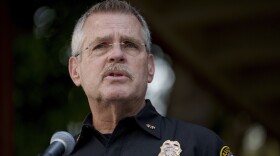 The Mountain West News Bureau’s wildfire reporter Murphy Woodhouse recently spoke at length with Chief Brian Fennessy, the inaugural head of the Department of Interior’s U.S. Wildland Fire Service. A major theme of their conversation was firefighter health and well-being.
 -
 Arizona, New Mexico, Idaho and Wyoming have no statewide wildfire building codes. Colorado adopted a code last year, with enforcement expected to begin this year. Most other Western states are somewhere in between.
 -
 At night, temperatures are often cooler and the air is wetter, which gives wildland firefighters a long window to make up significant ground when trying to suppress blazes. But that pattern is breaking down, a trend driven by human-caused climate change, according to a new study.
 -
 One of the studies found that over seven recent years, U.S. Forest Service projects helped communities avoid $2.8 billion in fire-related harm.
 -
 The Dragon Bravo fire burned about 145,000 acres. Some businesses and trails are now back open.
 -
 Fire weather days are different than fire season. They are increasing due to climate change.

© 2026

NPR News, Colorado Stories
Play Live Radio
Next Up:
0:00
0:00
Available On Air Stations


